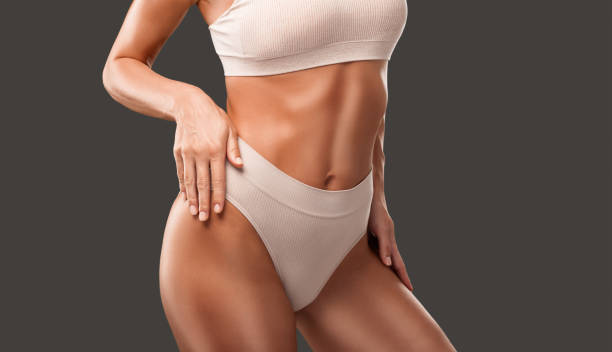
Ten years ago, body contouring often meant implants, synthetic fillers, or high-impact surgical reshaping. Clinics highlighted dramatic before-and-after images, and patients accepted long recoveries for big changes. In 2025, the scene feels noticeably different. Conversations now focus on sustainability, authenticity, and softer methods. The phrase “natural augmentation” appears on countless clinic menus, signalling a quiet revolution in how people choose to sculpt their bodies.
Part of this shift comes from a desire for harmony rather than spectacle. Patients increasingly want enhancements that fit their existing proportions instead of imposing a template. Practitioners respond with smaller procedures performed with greater accuracy. Instead of using entirely foreign materials, they explore ways to repurpose the body’s own resources. This approach sits neatly inside broader cultural currents that favour wellness and self-acceptance over extremes.
Among these methods, fat transfer has moved from niche to mainstream. Once considered experimental, it now appears as a centrepiece of many contouring plans. The procedure involves taking fat from one area and relocating it to another, often to add subtle shape or restore lost volume. Because it uses the patient’s own tissue, it can deliver a softer, more natural feel than implants or fillers. Results develop gradually as the transferred fat settles and integrates with existing tissue.
Practitioners emphasise planning as much as execution. They map donor areas and receiving sites with imaging tools, calculate volumes precisely, and schedule treatments to minimise strain on recovery systems. This careful choreography reflects a broader preference for moderation. Patients can stage procedures across multiple sessions rather than trying to achieve all their goals at once. Such pacing allows the body to adapt and reduces visible disruption.
Still, expectations vary widely. Some clinicians note that while fat transfer can produce lasting results, not all grafted tissue survives. Outcomes depend on factors like blood supply, technique, and aftercare. Others point to differences between patients, urging realistic timelines and possible touch-ups. This measured tone marks a departure from the certainty of earlier marketing. It also shows how professionals are trying to balance enthusiasm with transparency.
Technology strengthens this measured approach. Advanced centrifuges now refine extracted fat more efficiently, reducing impurities and improving viability. Imaging systems let practitioners model outcomes before a single incision. Combined with microcannulas and gentler suction, these tools help preserve cell integrity. Each advancement reflects an ongoing effort to make the procedure safer, more predictable, and more customisable.
Cultural signals also push in this direction. Social media influencers increasingly show small, incremental improvements rather than radical transformations. The aesthetic of “own but better” replaces the idea of total reinvention. This makes procedures like fat transfer attractive because they blend into daily life without dramatic announcements. Friends may notice improved shape or balance but can’t point to a single day of change.
Economic and practical considerations matter as well. Using one’s own tissue can lower the cost of materials and reduce complications tied to foreign substances. Recovery times tend to be shorter than with implants, and scarring is often minimal. For many, this fits a lifestyle that prizes flexibility and minimal downtime. In this sense, natural augmentation is not just a medical choice but also a scheduling strategy.
Yet, even with these advantages, questions remain. Some experts debate the long-term behaviour of transferred fat in different body regions. Weight fluctuations, hormonal changes, or ageing may affect how the graft behaves years later. Patients must weigh these uncertainties, and clinics must explain them openly. This atmosphere of dialogue may slow decision-making but ultimately builds trust.
At its core, the rise of natural augmentation reflects a new ethic in aesthetics. The industry is moving from imposing ideals to collaborating with biology. Rather than swapping authenticity for uniformity, it treats the body as a resource to refine carefully. This ethos does not eliminate risk or guarantee permanence, but it reframes the conversation around what is possible and what feels genuine in body contouring.